



Anywhere you travel, if you’re an angler, you’ll always discover a fish species that represents that geographic location. The Northwest has salmon; the Northeast, striper. In South Florida, it is the common snook.

As long as people have inhabited the Florida peninsula, the snook has provided both an important food source and a wonderful recreational opportunity. As a food fish, snook offer a delicate, flaky texture and a mild sweet flavor. Initially considered unpalatable by early settlers due to a “soapy” flavor imparted by the skin, the snook gained favor once it was discovered how much more delicious it is as a skinless fillet.
As a game fish, you couldn’t ask for more than what the snook offers. Explosive bites, hard runs, and aerial acrobatics—combined with availability across a wide range open to the public, regardless of your background—truly make this species every man’s sport fish.
The pre-conservation practices of our earliest residents in the days before the more recent population explosion led to unregulated harvesting of snook and a subsequent sharp decline in their numbers. The state stepped in back in 1957 and declared snook a game fish, prohibiting commercial sales. This measure, followed by bag and size limits, was intended to help the recovery of the stocks.
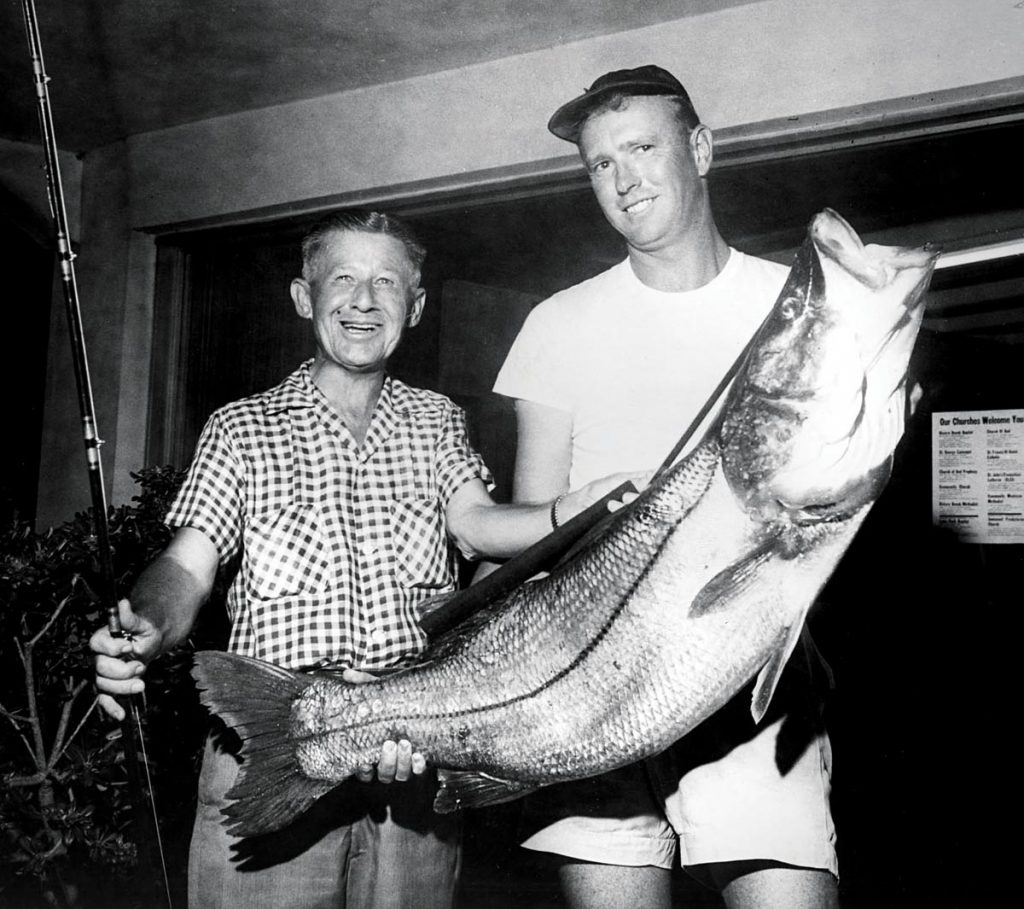
Since the first efforts to rebound the snook population, this fish has faced numerous challenges. A combination of habitat loss from coastal development, declining water quality, increased fishing pressure as the population has grown, even a couple of
unusually hard freezes—all have had a negative impact on the relative abundance of the snook. Presently, snook are considered fully recovered by FWC standards, with a cautionary caveat: Sustainability is only measured by the current population dynamics and relative fishing pressure accordingly. As our numbers increase, habitat continues to decline and new anglers compete for the same amount of fish, meaning the current figures will obviously fluctuate over time.
Snook are widely distributed across our local waters year-round, from coastal
mangrove-lined shores to deep water channels and inlets to ocean beaches. During the warmer months, they aggregate in great numbers to spawn in our inlets, and any fish that schools in such numbers in a predictable location is historically susceptible to overfishing. That is why the FWC regulates snook fishing, limiting it to catch and release only during this time, June 1 to August 31. Still, the stress of overhandling can prove fatal even to released fish.

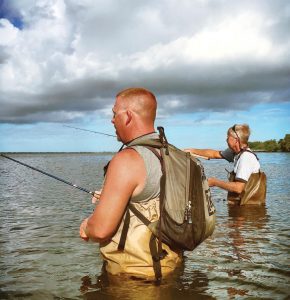
It is critical that as stewards, we treat these fish with respect. If fishing for snook this summer, do everything you can to ensure the fish’s survival after release. Avoid removing them from the water for photos (and high fives) as much as possible and allow them sufficient time to recover their energy before letting them go.
Southeast Florida Snook Regulations
Catch and Release Only: June 1 to August 31
Open Season: September 1 to December 14; February 1 to May 30 (bag limit 1 fish; slot limit 28-32 inches)
Full State Regulations: myfwc.com/fishing/saltwater/recreational/snook









Facebook Comments